

Bonaire’s Duck Season Exceeds Expectations with Guest Appearances!
Those birding on Bonaire were able to observe some very rare ducks over the last several months.
Posted February 23, 2025
What is “Duck Season” on Bonaire?
First, allow me to explain that “Duck Season” on Bonaire has a slightly different connotation than in other areas. Here on the island, it refers to the arrival of migrating ducks from North America, usually beginning in November. This is an exciting time for local and visiting birders, as it offers a chance to observe a variety of species that either pass through on migration journeys or choose to overwinter on Bonaire.
This season, Bonaire witnessed an impressive diversity of duck species, with many opting to stay for the winter instead of merely stopping over. Some species even made a return visit after many years of absence.
Let’s dive into the highlights of Bonaire’s exceptional duck season and explore the fascinating visitors we had the pleasure of observing!
Resident ducks are thriving.
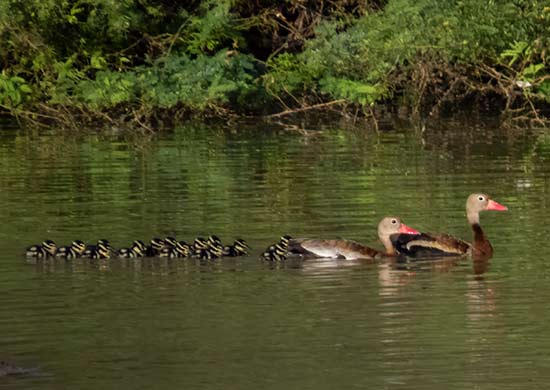
Black-bellied Whistling Ducks (Dendrocygna autumnalis)
Our Black-bellied Whistling Ducks remained consistent in their breeding habits. These striking birds, easily recognizable by their long necks, pink bills, and namesake whistling calls, continued to raise their young successfully. Everyone who witnessed their small ducklings swimming placidly alongside their watchful parents couldn’t help but smile at the charming sight.
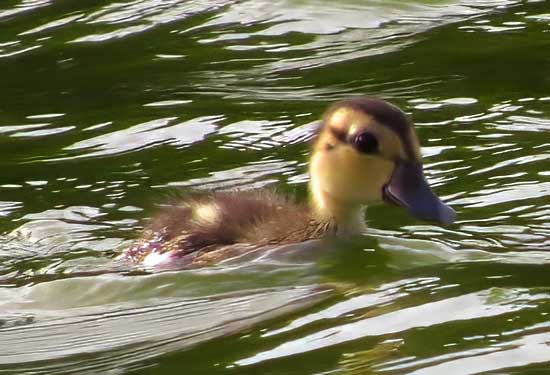
White-cheeked Pintails (Anas bahamensis)
Bonaire’s resident White-cheeked Pintails surprised us with out-of-season breeding. Typically, these elegant ducks breed during the early summer months, but several families were discovered in January, delighting birders with their unexpected presence.
Migratory ducks: A spectacular influx
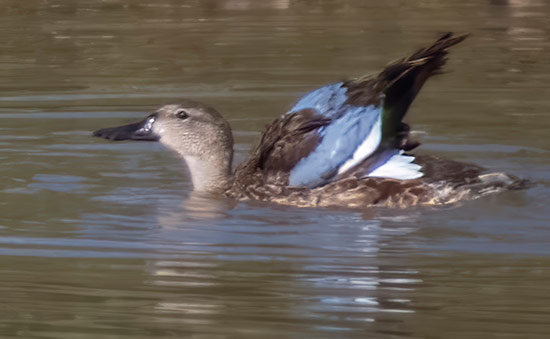
Blue-winged Teals (Spatula discors)
The first wave of migratory ducks arrived in earnest in November, with early appearances from Blue-winged Teals. Many of these ducks choose to overwinter on Bonaire, making them one of the more common migratory species here. When they first arrive, males and females look quite similar, but as winter progresses, the males begin to molt into their striking breeding plumage in preparation for their spring migration back to North America. Their transformation ensures they look their best to attract mates and continue their lineage.
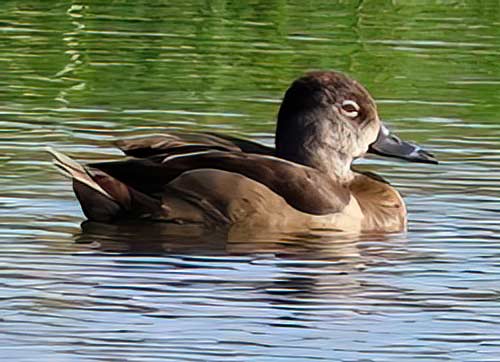
Ring-necked Ducks (Aythya collaris)
Adding to the excitement, several Ring-necked Ducks were observed. Although one lone female spent the winter on Bonaire in 2019, they are more commonly seen as transitory visitors rather than long-term winter residents. Their presence this season provided a special treat for those lucky enough to spot them.
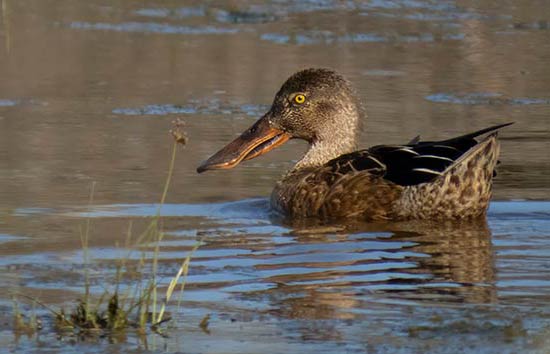
Northern Shovelers (Spatula clypeata)
Then came the Northern Shovelers! These entertaining birds, with their unmistakable large, spoon-shaped bills, use a specialized tongue to filter food from the water. Several individuals were seen at various locations around Bonaire, and many chose to overwinter, giving birders a rare opportunity to study their habits.
One particular Northern Shoveler spent considerable time preening before settling in for the night. Preening is an essential activity for ducks, as it involves using their bills to clean and align feathers while spreading waterproofing oils from the uropygial gland near the base of the tail. This waterproofing keeps their plumage insulated, helping them stay warm even while floating on water for extended periods. This individual even “brushed his teeth” before bedtime!
Lesser Scaups (Aythya affinis)
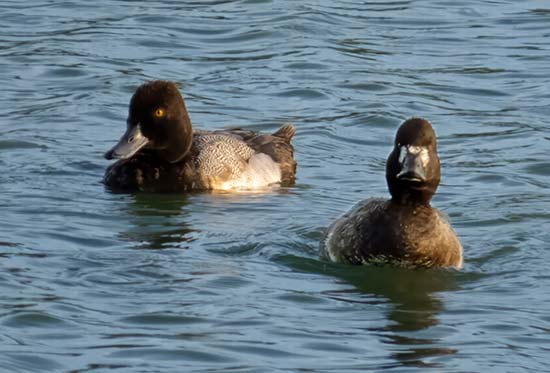
And then came the Lesser Scaups—so many of them! Local birder Martijn Hickmann recorded an astonishing 18 individuals in sight at one time, a record count for Bonaire. Many of these diving ducks spent the winter on the island’s freshwater rain ponds, but as migration season begins, we expect to bid them farewell soon.
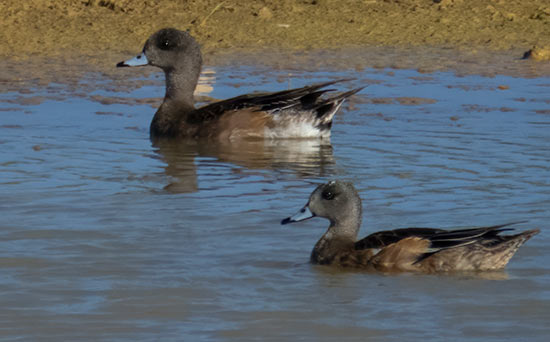
American Wigeons (Mareca americana)
While counting Lesser Scaups, Martijn also spotted two American Wigeons, an uncommon but always welcome visitor to Bonaire. These striking ducks were a pleasure to observe as they briefly graced the island’s wetlands.
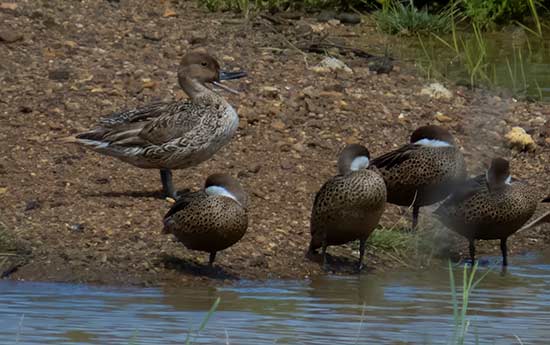
The star of the season: A Northern Pintail (Anas acuta)
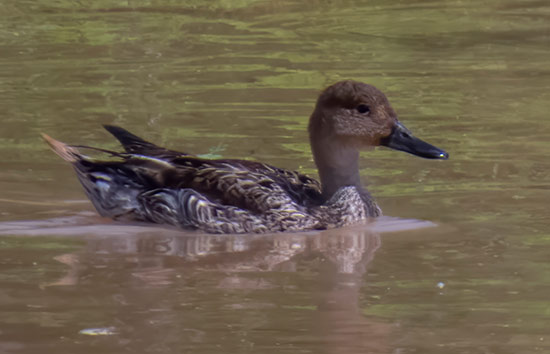
The most thrilling sighting of the season was undoubtedly a Northern Pintail. I was delighted to observe this elegant duck for the first time on January 5, 2025, in a rainwater catchment pond. Amongst a group of White-cheeked Pintails, the Northern Pintail stood out due to its larger size and slender, extended neck.
This individual’s presence was particularly remarkable because, according to eBird statistics, it is likely only the third recorded Northern Pintail on Bonaire. The species had not been observed on the island since 2001, making this an incredibly rare and exciting event for the local birding community. The pintail lingered long enough for multiple birders to enjoy sightings, making it a true highlight of Bonaire’s exceptional duck season.
Farewell for now: looking ahead to next season.
As we move towards spring, many of our visiting ducks will begin their northward journeys to their breeding grounds in North America. We’ll bid them farewell, wishing them safe travels and successful nesting seasons.
For those species that remain on Bonaire year-round, we’ll continue to enjoy their presence, watching for more surprises in their breeding patterns and behaviors. And of course, come next November, we’ll eagerly await the return of another fascinating “Duck Season,” ready to see what new and returning visitors grace our wetlands.
Until then, happy birding!
(Images and video courtesy of the author.)
Sign up to receive notifications when a new article is posted.
About the author:
 Susan has been living on Bonaire for over 30 years. She is a certified bird guide, as well as a topside and underwater photographer. She is a 2016 graduate of the Caribbean Birding Trail Interpretive Guide Course conducted by BirdsCaribbean.
Get in touch with Susan
Contact Susan via email, Facebook Messenger, call Susan or use the online form below.
If you have any questions about your Bonaire birding tour, feel free to contact Susan for answers. She is always willing to go into more detail about routes or the best times for a tour based on your personal preferences. Tours can be tailored to your interests, whether that be birds, photography, or both!
It is also a good idea to do some homework on the birds of Bonaire before you come. Knowing a little about the birds you might encounter on your tour will make your experience even more enjoyable!
Be sure to check out these resources for birding on Bonaire. Also, reading the Bird Blog will introduce you to the birds that might be observed on Bonaire.
Get In Touch
Get in touch with Susan to check availability for the dates you are visiting Bonaire.
Consent: By using this form you agree with the storage and handling of your data by this website.
