

Best Practices for Bird Portrait Photography
Creating bird portraits can be a fun and challenging way to augment your birding experience.
Posted February 23, 2026.
Give yourself a new birding challenge for 2026: Practice bird portrait photography.
Bird portrait photography is one of the most rewarding genres in wildlife photography. A successful bird portrait captures more than feathers and form — it reveals personality, mood, and character. Whether you’re photographing backyard songbirds or elusive raptors in the wild, mastering bird portraits requires preparation, patience, and technical skill.
Below are essential best practices to help elevate your bird portrait photography and consistently create striking, intimate images.
Choose the Right Location.
Location plays a foundational role in successful bird portraits. A great setting offers not only access to birds but also clean backgrounds and good light.
Start close to home.
Your backyard or a local park can be excellent practice grounds. Setting up feeders, birdbaths, or native plants attracts birds and gives you control over the environment. Position perches strategically so that when birds land, they are framed against distant, uncluttered backgrounds.
Look for natural perches.
In the wild, search for components such as dead branches or rocks that provide pleasing compositional elements. Ideally, the background should be far enough behind the bird to create soft, creamy bokeh.
Consider habitat context.
While tight portraits emphasize detail, subtle environmental hints can add storytelling elements.
Finally, pay attention to accessibility and comfort.
If you can stay still and concealed for long periods, your chances of capturing natural behavior increase dramatically.
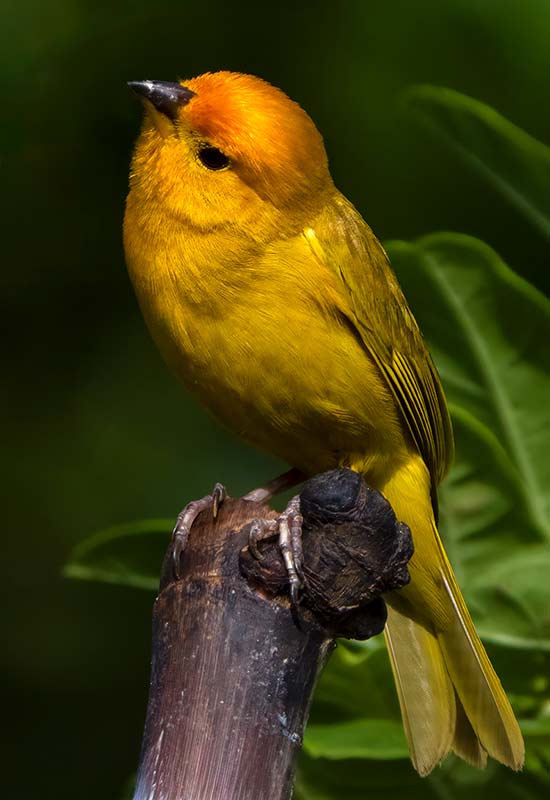
A Saffron Finch visits a garden perch.
Understand Bird Behavior.
Great bird portraits often result from anticipating behavior rather than reacting to it.
Spend time observing before you start shooting. Birds follow patterns:
- They often return to the same perch.
- Many species flick their tails before taking flight.
- Raptors and seabirds scan their surroundings before diving.
- Songbirds may pause briefly between feeding trips.
Learning these cues allows you to pre-focus and prepare your framing.
Understanding seasonal behavior is equally important. During mating season, birds may display vibrant plumage or perform courtship rituals — excellent opportunities for expressive portraits. The more you know about your subject, the more compelling and intentional your images will be.
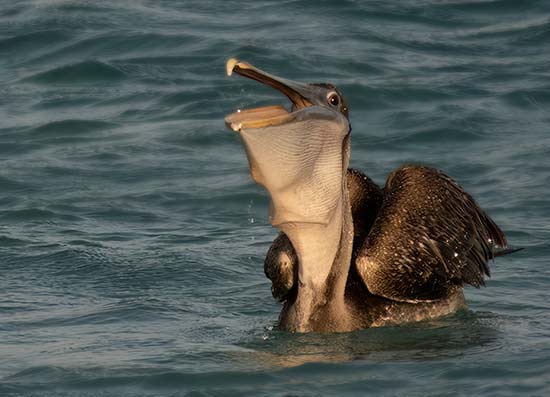
Knowing how a bird will behave can assist with capturing that special moment (Brown Pelican).
Be Patient; Let the Birds Come to You.
Patience is perhaps the most critical skill in bird photography.
Rather than chasing birds, position yourself strategically and wait. Quick movements can easily startle them. Move slowly, avoid direct eye contact, and wear neutral clothing that blends into the environment.
Consider using a blind or natural cover. Even sitting quietly against a tree can reduce your visibility. Over time, birds may become comfortable with your presence.
Stillness is powerful. Birds are far more likely to approach when they don’t perceive you as a threat. Some of the most intimate portraits happen after long periods of waiting.
Patience also means accepting missed shots. Not every outing will produce portfolio-worthy images — but consistent effort will yield results.
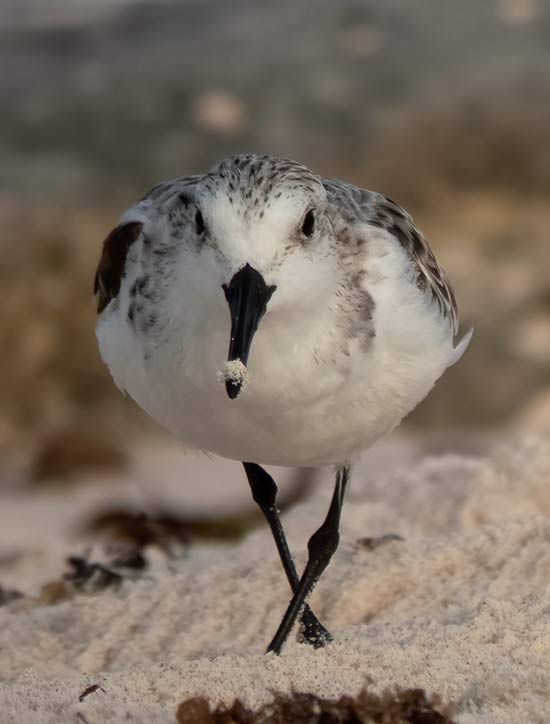
Sit quietly and let the birds approach you (Sanderling).
Focus on the Eyes.
In portrait photography — human or avian — the eyes are everything.
Sharp, well-lit eyes create a connection. When viewers look at your image, they instinctively search for the eye. If it’s tack sharp and expressive, the portrait succeeds.
Here are key tips:
- Use single-point autofocus and place it directly on the bird’s eye.
- Shoot at wider apertures (such as f/4 to f/6.3) to isolate the subject while keeping the entire head sharp.
- Watch for catchlights. A small reflection in the eye adds life and dimension.
If the depth of field is shallow, ensure the eye — not the bill or feathers — is the sharpest part of the frame. Even slight front- or back-focusing can weaken an otherwise excellent image.
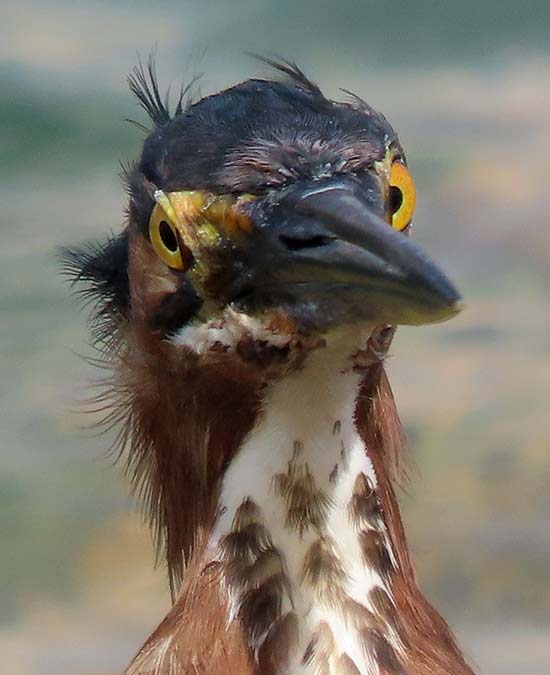
The eyes must be sharp in bird portraits, even if the bill and feathers go soft (Green Heron).
Pay Attention to Lighting.
Light can make or break a bird portrait.
Soft, diffused light — such as during early morning or late afternoon — is ideal. Golden hour provides warm tones and gentle shadows that enhance feather detail without harsh contrast.
Avoid shooting in harsh midday sunlight, which can create blown highlights on bright plumage and deep, unflattering shadows.
Pay attention to light direction:
- Front lighting illuminates detail and color.
- Side lighting emphasizes texture and dimension.
- Backlighting can create glowing feather edges for a dramatic effect.
Position yourself so the light falls on the bird’s face. A shadow across the eye can diminish impact.
Overcast days are underrated for bird portraits. Cloud cover acts as a natural diffuser, producing even lighting and preserving subtle feather detail.
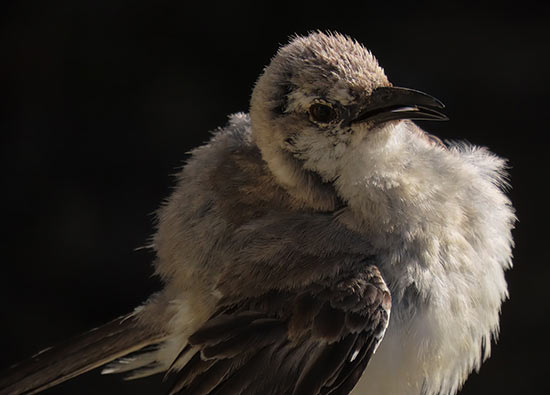
Dramatic side lighting can enhance a portrait of a common bird (Tropical Mockingbird).
Experiment with Composition.
While tight headshots are classic, variety strengthens your portfolio.
Consider these compositional techniques:
Eye-Level Perspective.
Whenever possible, photograph birds at eye level. This creates intimacy and reduces the “looking down” effect that can feel detached.
Rule of Thirds.
Place the bird’s eye along an intersecting point of the rule-of-thirds grid to create balance and visual flow.
Negative Space.
Leaving space in the direction the bird is looking adds tension and narrative. It suggests anticipation or awareness beyond the frame.
Frame Within a Frame.
Branches or foliage can act as natural framing elements if used subtly.
Clean Backgrounds.
Busy backgrounds distract from the subject. Use a longer focal length and wider aperture to achieve pleasing background blur.
Don’t be afraid to break traditional rules. Sometimes a centered, symmetrical portrait creates a powerful impact — especially with striking species.
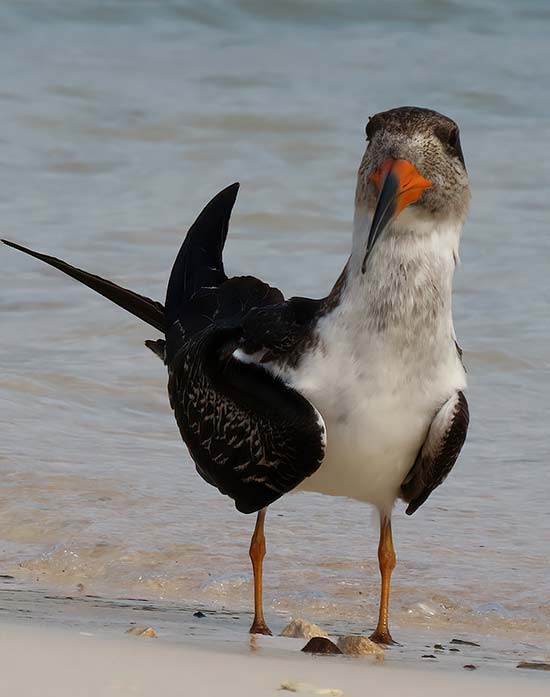
Shooting at the bird’s eye level helps to visually connect with your subject (Black Skimmer).
Use Continuous Shooting Mode.
Birds move quickly — even when perched.
Small head tilts, wing flicks, and subtle expressions can change within fractions of a second. Continuous (burst) shooting mode increases your chances of capturing that perfect pose.
Use a fast shutter speed — typically 1/1000s or faster — to freeze subtle movements. Even perched birds can shift unexpectedly.
High frame rates are particularly useful when birds:
- Shake water off their feathers
- Stretch their wings
- Turn their heads toward the light
Later, you can select the frame with the best eye contact, head angle, and expression.
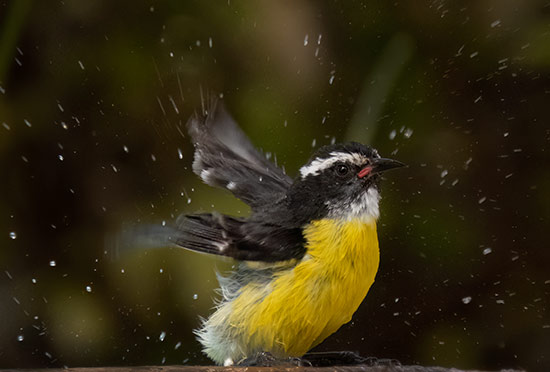
Utilizing continuous shooting mode allows you to choose the perfect frame (Bananaquit).
Practice Ethical Wildlife Photography.
Creating beautiful images should never come at the expense of the subject.
Ethical bird photography ensures the safety and well-being of wildlife.
Key principles include:
- Do not disturb nests.
- Keep a respectful distance.
- Avoid using playback excessively, especially during breeding season.
- Do not bait predators in unnatural ways.
If a bird shows signs of distress — alarm calls, repeated flight, raised feathers — you are too close.
Use longer lenses instead of approaching physically. Modern telephoto lenses allow you to create intimate portraits without intruding.
Ethical practices build trust within the wildlife community and protect the very subjects we love to photograph.
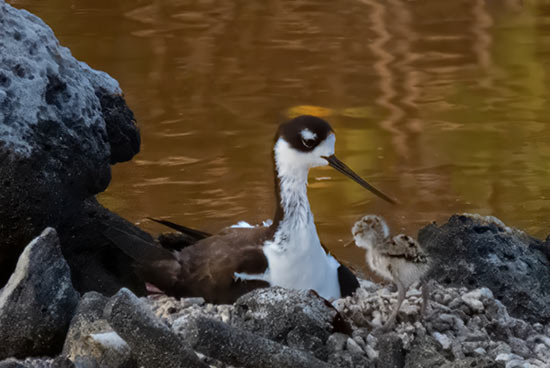
This female Black-necked Stilt and her just-hatched chick were photographed from over 30 meters/100 feet away using a telephoto lens to avoid disturbance to the nest.
Post-Processing.
Post-processing enhances your image but should not overpower it.
Start with basic adjustments:
- Correct exposure
- Fine-tune white balance
- Add moderate contrast and clarity
- Enhance feather detail subtly
Selective sharpening around the eye can increase impact. Be careful not to oversharpen, which can create unnatural halos.
Noise reduction is often necessary, especially if you’ve used higher ISO settings in low light.
Cropping can refine composition, but aim to get framing right in-camera whenever possible. Heavy cropping reduces image quality.
Finally, keep colors realistic. Birds are often admired for their natural beauty — overly saturated tones can feel artificial.
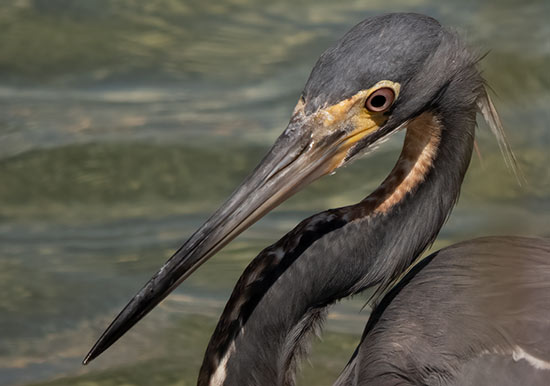
Use post-processing tools selectively (Tricolored Heron).
Additional Tips for Stunning Bird Portraits.
Invest in the Right Gear.
While skill matters more than equipment, a telephoto lens (300mm or longer) significantly improves your ability to capture detailed portraits without disturbing birds.
Image stabilization helps when shooting handheld. A monopod or tripod can reduce fatigue during long sessions.
Watch the Wind.
Wind can ruffle feathers unpredictably. While this sometimes creates dramatic effects, it can also obscure facial detail. Calm conditions often yield cleaner portraits.
Shoot in RAW Format.
RAW files preserve maximum detail and dynamic range, giving you more flexibility in editing.
Study the Work of Others.
Analyzing successful bird portraits can help you understand light, composition, and timing. Pay attention to how professionals isolate their subjects and create an emotional connection.

A Venezuelan Troupial comes into a perch.
Final Thoughts.
Photographing bird portraits is both technically challenging and deeply rewarding. It combines fieldcraft, patience, observation, and artistic vision. The most compelling portraits are not simply sharp — they convey presence and personality.
By choosing the right location, understanding behavior, mastering light, focusing on the eyes, and practicing ethical photography, you’ll dramatically increase your chances of capturing powerful images.
Most importantly, enjoy the process. Bird photography encourages us to slow down, observe closely, and appreciate the subtle beauty of the natural world.
The more time you spend with birds — camera in hand and curiosity engaged — the more meaningful your portraits will become.
Happy shooting!
(Images courtesy of the author.)
Sign up to receive notifications when a new article is posted.
About the author:
 Susan has been living on Bonaire for over 30 years. She is a certified bird guide, as well as a topside and underwater photographer. She is a 2016 graduate of the Caribbean Birding Trail Interpretive Guide Course conducted by BirdsCaribbean.
Get in touch with Susan
Contact Susan via email, Facebook Messenger, call Susan or use the online form below.
If you have any questions about your Bonaire birding tour, feel free to contact Susan for answers. She is always willing to go into more detail about routes or the best times for a tour based on your personal preferences. Tours can be tailored to your interests, whether that be birds, photography, or both!
It is also a good idea to do some homework on the birds of Bonaire before you come. Knowing a little about the birds you might encounter on your tour will make your experience even more enjoyable!
Be sure to check out these resources for birding on Bonaire. Also, reading the Bird Blog will introduce you to the birds that might be observed on Bonaire.
Get In Touch
Get in touch with Susan to check availability for the dates you are visiting Bonaire.
Consent: By using this form you agree with the storage and handling of your data by this website.
