

Birding in Northern Bonaire
A Guide to the best birdwatching spots.
Posted October 6, 2026.
Explore the wealth of habitats in the northern section of Bonaire–wetlands, coastal shorelines, and tropical dry forest.
If you’re planning a birding trip to Bonaire, don’t overlook the northern part of the island. Northern Bonaire offers an exceptional combination of tropical dry forest, wetlands, and coastal habitat that attracts an impressive variety of resident and migratory birds.
For birdwatchers, this part of Bonaire can be especially rewarding because conditions change throughout the year. Rainfall, drought, insect populations, and wetland water levels all influence bird activity. That means every visit can offer something different.
Whether you’re hoping to see the iconic Yellow-shouldered Amazon, watch American Flamingos foraging, search for migrating warblers, or simply add new species to your Bonaire bird list, northern Bonaire deserves a place on your itinerary.
Why Bird Northern Bonaire?
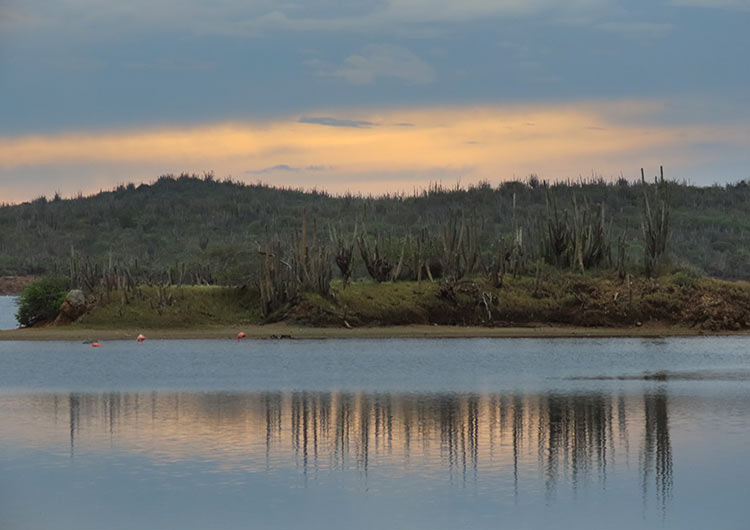
The northern part of the island contains some of the best remaining examples of tropical dry forest habitat on Bonaire, along with wetlands, scrub, and coastal areas. These different habitats support a wide range of bird species.
The region’s avifauna is also particularly interesting because Bonaire’s location in the southern Caribbean brings together some resident Caribbean species, terrestrial birds with South American origins, and seasonal migrants from North America.
For birders, that combination creates plenty of opportunities for unexpected sightings.
Birds to Look for in Northern Bonaire
One of the biggest attractions for birdwatchers is the Yellow-shouldered Amazon, an iconic Bonaire parrot. The Brown-throated Parakeet is another endemic subspecies, and it can often be encountered in the north of the island.
Other terrestrial birds to watch for include:
- Mangrove Yellow Warbler
- Caribbean Elaenia
- Northern Scrub Flycatcher
- Brown-crested Flycatcher
- Gray Kingbird
- Venezuelan Troupial
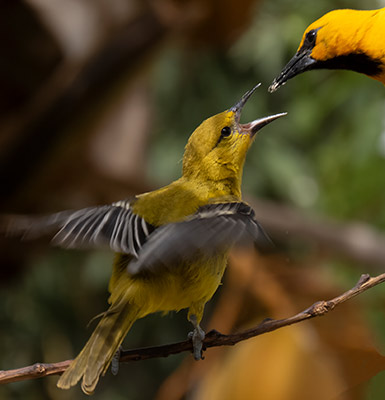
- Yellow Oriole
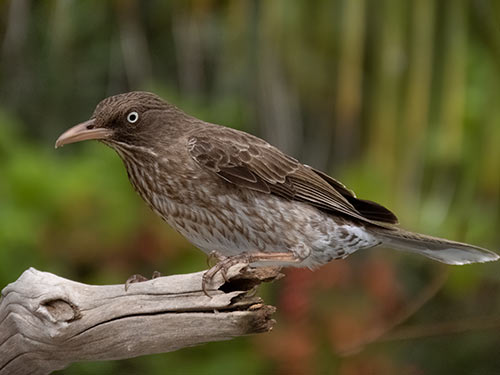
- Pearly-eyed Thrasher
- Scaly-naped Pigeon
- Black-whiskered Vireo
Birding by ear can be particularly important in the dry forest. Dense vegetation and the often-subtle movements of small birds can make visual identification difficult, while distinctive calls can quickly reveal that a bird is nearby.
Flamingos, Herons, Shorebirds, and Wetland Birds
The wetlands of northern Bonaire add another dimension to the island’s birding opportunities.
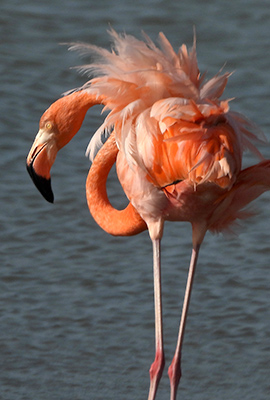
American Flamingos are among the most spectacular birds to encounter. They can often be found feeding in the northern wetland areas and may sometimes be surprisingly close to the road or observation areas.
Wetland conditions change with rainfall, which in turn affects insects and other food sources. When conditions are favorable, birders may encounter resident and migratory shorebirds, herons, egrets, and other wetland species.
Keep an eye out for the striking Reddish Egret, which occurs in both dark and white color morphs.
Crested Caracaras: A Favorite for Bonaire Birders
Don’t forget to look up—and don’t forget to check the roadside.
Crested Caracaras are frequently encountered in northern Bonaire. These impressive birds may soar overhead on thermals, but they also spend considerable time on or near the ground searching for food.
Because they can be active in open areas as well as along roadsides, they are one of the birds that can turn an ordinary drive into an unexpected birding opportunity.

Best Places for Birding in Northern Bonaire
Karpata
Karpata is one of the most historic locations in northern Bonaire. The area is well known for its coastal scenery and diving, but terrestrial birding can also be very productive.
Even if you’re visiting primarily for the scenery, it is worth keeping your binoculars handy.
BOPEC and Gotomeer
The BOPEC area marks the beginning of the Gotomeer wetland system, where bird activity can change considerably depending on recent rainfall.
When conditions are right, the area can attract shorebirds, herons, egrets, and seasonal migrants. Water levels and insect populations play an important role in determining how productive the habitat will be on any particular day.
Gotomeer is also fascinating from an ecological perspective. Its history as an open connection to the sea has left a salty influence, while rainfall introduces freshwater. The resulting brackish environment can change considerably depending on conditions.
Those changes affect insects and other organisms, which ultimately influence the birds that use the wetland.
For bird photographers, late afternoon can be especially attractive, when the light softens and American Flamingos may provide spectacular views.
Dos Pos
For birders who prefer a quiet place to sit and observe, Dos Pos is an excellent choice.
A small bird bath and shaded seating area create favorable conditions for patient observation. Rather than constantly moving from one location to another, sit quietly and allow the birds to come to you.
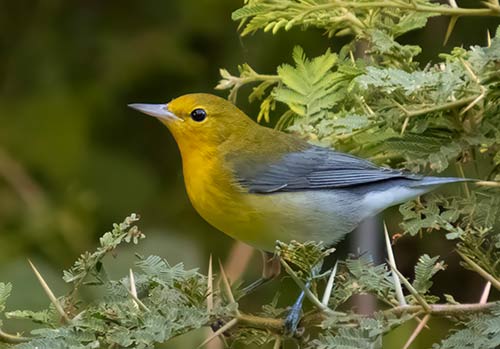
During spring and fall migration, keep an eye out for Northern Waterthrush and Prothonotary Warbler.
Resident birds such as Yellow-shouldered Amazons, Brown-throated Parakeets, and Scaly-naped Pigeons may also visit.
And listen carefully for the Black-whiskered Vireo. Its call may give away its location long before you get a clear view.
Rincon
The historic village of Rincon offers another opportunity to search for Yellow-shouldered Amazons.
Late afternoon is an especially good time to listen for these parrots. As the day begins to wind down, flocks can become quite vocal as they gather.
If you hear a flock calling, follow the sound. With a little patience, you may be rewarded with an excellent view.



When Is the Best Time for Birdwatching in Bonaire?
There is no single best season for every birdwatcher.
Bonaire is home to resident birds throughout the year, while seasonal movements bring additional species to the island. North American winter migrants arrive during the cooler months, while South American summer migrants contribute to the island’s bird diversity at other times of the year.
Rainfall also plays an important role. A wet period can transform normally dry habitat and increase insect activity, while prolonged drought can produce very different conditions.
If you have specific target birds, it is worth checking their seasonal occurrence before planning your trip. The Year-Round Birding Seasons blog post may be helpful.
Morning or Afternoon: When Should You Go Birding?
Early morning is a classic choice for birdwatching, but afternoon birding on Bonaire has some significant advantages.
Many of the best northern birding locations are situated along Bonaire’s western side, where you’re often looking inland. In the morning, the rising sun can be directly ahead of you, making it harder to see birds clearly and creating challenging photography conditions.
By late afternoon, the sun is generally behind you.
That can make a surprisingly big difference. Birds can be easier to observe, colors are more visible, and photography conditions are often much more conducive to good images.
So don’t automatically assume that sunrise is your only opportunity for productive birding in Bonaire. A late-afternoon outing can be extremely rewarding.
Ready to Explore Northern Bonaire?
Bring your binoculars, leave some time in your itinerary for a tour in the northern part of the island, and keep your ears open. Whether you’re an experienced birder searching for a particular species or simply curious about Bonaire’s birds and wildlife, northern Bonaire offers plenty of reasons to slow down and explore.

Sign up to receive notifications when a new article is posted.
About the author:
 Susan has been living on Bonaire for over 30 years. She is a certified bird guide, as well as a topside and underwater photographer. She is a 2016 graduate of the Caribbean Birding Trail Interpretive Guide Course conducted by BirdsCaribbean.
Get in touch with Susan
Contact Susan via email, Facebook Messenger, call Susan or use the online form below.
If you have any questions about your Bonaire birding tour, feel free to contact Susan for answers. She is always willing to go into more detail about routes or the best times for a tour based on your personal preferences. Tours can be tailored to your interests, whether that be birds, photography, or both!
It is also a good idea to do some homework on the birds of Bonaire before you come. Knowing a little about the birds you might encounter on your tour will make your experience even more enjoyable!
Be sure to check out these resources for birding on Bonaire. Also, reading the Bird Blog will introduce you to the birds that might be observed on Bonaire.
Get In Touch
Get in touch with Susan to check availability for the dates you are visiting Bonaire.
Consent: By using this form you agree with the storage and handling of your data by this website.
